
From a Jungian perspective, pain is not just suffering, but a potential guide to deeper self-awareness and wholeness. We find meaning in pain by not avoiding it, but by confronting it as a symbolic message from the unconscious and integrating the painful experience into our lives to become more resilient and transformed. This requires moral courage to accept and work with the suffering, using it as a catalyst for personal growth and a more authentic life.
We need to understand that pain is a symbolic message.
Pain is a symptom: Carl Jung viewed symptoms, including emotional and physical pain, as valuable symbolic messages from the unconscious psyche. They are not just problems to be eliminated, but guides that point to hidden aspects of us that need to be addressed.
Moving what is Unconscious to conscious awareness: Pain forces us to confront parts of ourselves that we might otherwise ignore. The suffering that results from a neurosis, for example, is a sign that a person’s life is not in harmony with their inner reality. To move through our issues, we need to develop the moral courage to engage with our pain.
We must confront the unconscious: Meaningful suffering arises when we stop repressing our pain and instead take up the “moral task” of dealing with it consciously. This requires courage to face uncomfortable truths and emotions.
We need to listen to our inner voice and the wisdom of the body: By not resisting the full range of feelings, we can begin to hear the “intrinsic message” within the pain. This process can lead to the purification of our spirit, our life force. This is also how we develop greater resilience by using pain as a vehicle for transformation.

Pain is a catalyst for growth: Pain is an essential part of the “birth of consciousness,” as it forces a transformation that wouldn’t be possible without it.
Pain is how we integrate the shadow: By working with painful experiences, we can begin to understand and integrate the “shadow” parts of ourselves, leading to a more balanced and authentic life.
Pain teaches us how to let go: A Jungian approach also involves learning to let go of past pain —an act of self-compassion. This means accepting what happened, processing it, and giving ourselves space to heal. Ultimately, we stop old wounds from holding power over us. Moving through pain offers freedom.
Finding meaning in pain often involves a process of making sense of our experiences, identifying greater purpose, and recognizing our individual uniqueness and significance despite our suffering. In other words, we need to move into self-acceptance, self-forgiveness, and self-love. This allows us to fully embrace the concept that we are good enough as we are. Sure, we are not perfect, but we were never meant to be perfect.
We Need to Move Toward Pain, Not Away from Pain
Therapeutic and philosophical traditions emphasize the importance of facing pain rather than avoiding it. Engaging with suffering, rather than hiding from it, creates opportunities for healing and growth. Many spiritual and psychological approaches encourage individuals to ask critical questions about meaning and hope. Doing so can transform pain into an experience that fosters deeper insight and compassion.

Drawing Purpose and Connection
Finding new purpose or connection through pain is a recurring theme. The experience often strips life down to its bare essentials and assists us in identifying what matters most—such as love, relationships, and personal growth. Viktor Frankl, a psychiatrist, Holocaust survivor, and author of the book “Man’s Search for Meaning”, wrote that discovering meaning, even amid suffering, is vital for resilience and hope. This is coming from a man who witnessed death daily and did not know if he himself would live to see another sunrise.
Here are some practical steps to move through pain:
Reflect on how pain fits into your broader life story, or coherence, which I will discuss.
Allow pain to clarify your values, priorities, and sources of hope.
Seek connection and support from others, including professional counseling if needed.
Look for opportunities to help others, channeling pain into purposeful action or advocacy.
Meaning in pain is not about justifying suffering, but about re-orienting life in ways that foster growth, resilience, and deeper self-understanding.
Coherence is a Key Component.
Coherence is the ability to make sense of life events, including pain, which significantly reduces both the frequency and severity of pain experiences. Coherence is also about how we view our lives. Is our life purposeful and meaningful? This provides us with a sense of wholeness. Feeling whole and complete allows us to be more resilient with less severe pain experiences. We can find meaning in our lives through deep inner reflection, prioritizing what truly matters, and allowing pain to help us clarify our values and relationships.
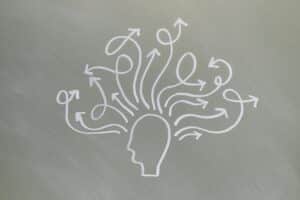
Another way to view connecting with what truly matters in life is moving out of our head (our ego), which is filled with old stories, some true, some partially true, with many that are blatantly untrue or false. The ego’s primary purpose is to protect our fragile ego from physical, emotional, spiritual, and mental pain, and it does so through fear, hence my article on-based thinking. We must move into body, our heart, and our intuition, which is our truth.
The Role of Coherence
People with a strong sense of coherence can integrate pain into their broader understanding of themselves and their lives, which helps lessen the emotional chaos and stress associated with suffering. Coherence lowers the odds of developing chronic pain, fewer headaches, less back, joint, and extremities pain, and reduced pain severity in both short-term and long-term situations
Coherence is a mental framework that helps us weave painful experiences into a broader life narrative, making suffering feel less chaotic and more understandable. The higher our coherence, the less frequently we will experience severe pain, even when controlling for other factors. This means that being able to make sense of pain, rather than just enduring it, is crucial for emotional and physical well-being.
Mechanisms of Coherence’s Impact on Pain
Coherence acts as a psychological resource, enabling confident and effective coping skills during adversity. This process involves acceptance of pain, fostering resilience, and encouraging healthier lifestyle choices that protect against debilitating outcomes. Coherence mediates the relationship between overall meaning in life and pain, suggesting that merely having a sense of purpose is less impactful unless life events—including painful ones—can be woven into a comprehensible, meaningful framework.
Clinical and Practical Implications
Interventions like somatic therapy focus on enhancing coherence by encouraging us to feel into our pain, understand the quality and root of our pain, so we can make sense of painful experiences, move through difficult times with less pain. We must learn to redirect attention away from solely trying to avoid or stop pain, to understanding its role in our lives, and for personal growth.
Coherence-building strategies will improve physical, emotional, and social outcomes so we can better cope with pain. Coherence reduces pain intensity by transforming how we perceive, interpret, and emotionally respond to suffering, allowing for greater resilience and well-being

Cognitive Integration and Acceptance
Coherence enables individuals to mentally integrate painful experiences into their life story, making these experiences less overwhelming and more comprehensible. This process often leads to acceptance of pain, greater life satisfaction, and lower levels of disability. Rather than viewing pain as random or meaningless, we can contextualize suffering, reduce excessive worry, and mitigate pain’s intensity.
Adaptive Coping Strategies
High coherence is synonymous with stronger and more flexible coping skills. When we possess a strong sense of coherence, we are more apt to engage in constructive coping strategies, such as problem-solving, meaningful engagement with stressors, rather than avoidance or denial. This adaptive approach supports psychological well-being, social functioning, and facilitates healthier behavior choices, all of which can lessen the overall impact of pain and stress.
Emotional Resilience and Reduction of Catastrophizing
Strong coherence equates to better emotional regulation and resilience, lower levels of anxiety, less catastrophizing about pain, and improved self-efficacy, resulting in reduced psychological distress associated with chronic pain conditions.
Supporting Healthy Lifestyle Choices
Developing strong coherence through somatic approaches promotes behaviors that protect us against debilitating pain outcomes. Those with greater coherence are more likely to engage in physical activity, maintain healthier lifestyles, and make preventive health choices, leading to improved functional health and decreased pain severity.
In conclusion, coherence reduces pain by helping us mentally integrate suffering, employ adaptive coping strategies, and enhance emotional resilience, all of which support healthier lifestyles.