
EMDR
Trauma Healing
EMDR is a revolutionary technique for healing emotional distress and trauma from life experiences.
Adaptive Processing
Based on the Adaptive Information Processing Model, EMDR accesses, processes, and integrates traumatic memories.
Bilateral Stimulation
Utilizes eye movements, tapping, or music to activate the brain's natural healing processes.
Transformative Reprocessing
Desensitizes traumatic memories and reprocesses them into a healthier framework.
Personalized Impact
Highly effective for various traumatic experiences, recognizing the personal nature of trauma's impact.
Modes of Service Offerings
Choose the mode that best suits your needs for a personalized and effective healing experience.
IN-OFFICE
SESSIONS
- Suitable For Individuals Or Couples
- 50-Minute Sessions
TELE-HEALTH OR REMOTE SESSIONS
- Available For Individuals, Couples, And Families
- HIPAA Certified Zoom Platform
- 50-Minute Sessions
INTENSIVES
- Scheduled In (2 Or 4)-Hour Time Blocks
- Innovative And Immersive Approach To Healing
- Supports Deeper Exploration Of The Psyche
- More Expedient Attainment Of Healing Goals
- A (4)-Hour Intensive Is Comparable To (6 Or Even 7) 50-Minute Sessions
- Currently Offered Both In-Office And Through Remote Tele-Health Sessions
Ketamine-Assisted EMDR (KA-EMDR)

A Trauma-Focused Approach to Deep Healing
Ketamine-Assisted EMDR (KA-EMDR) is an advanced, trauma-informed therapy that combines low-dose ketamine with Eye Movement Desensitization and Reprocessing (EMDR) to support the processing of traumatic memories, limiting core beliefs, and deeply held emotional wounds.
This approach is designed to help clients move through difficult material more efficiently and with less emotional overwhelm, especially when traditional talk therapy or standard EMDR alone has felt too activating, blocked, or exhausting.
What Is KA-EMDR?
KA-EMDR integrates the established, evidence-based structure of EMDR with the short-term neurobiological effects of low-dose ketamine. EMDR works by activating the brain’s natural information-processing system through bilateral stimulation (eye movements, tapping, or auditory tones), allowing distressing memories to be reprocessed and updated.
Ketamine temporarily enhances neuroplasticity and softens rigid defensive patterns in the nervous system. When used intentionally and at low doses within a therapeutic container, it can help the brain become more flexible and receptive, allowing traumatic memory networks to “unstick” and reorganize.
Together, this combination creates an environment where healing can occur with greater ease, safety, and depth.
How KA-EMDR Works
As an EMDR therapist, I guide clients in gently accessing distressing memories, unresolved events, or limiting belief patterns while providing bilateral stimulation to support processing. The goal is not to relive trauma, but to reprocess it—so the nervous system no longer responds as if the event is still happening.
Low-dose ketamine supports this process by:
- Reducing hyperarousal and emotional intensity
- Increasing psychological distance from painful material
- Softening self-critical or rigid thought patterns
- Enhancing openness, curiosity, and flexibility
- Supporting new perspectives and meaning-making
KA-EMDR follows the same structured phases as standard EMDR, with ketamine carefully integrated to support nervous system regulation and emotional tolerance throughout the process.
Expanding the Window of Tolerance
A key component of trauma healing is the Window of Tolerance—the optimal zone where we can feel emotions, think clearly, and respond rather than react.
When trauma is present, this window often becomes narrowed. We may swing into:
- Hyperarousal (anxiety, panic, overwhelm, reactivity), or
- Hypoarousal (shutdown, numbness, dissociation, depression).
KA-EMDR helps widen the Window of Tolerance, making it possible to engage with challenging inner material without becoming flooded, avoidant, or disconnected. Clients are often able to stay more grounded, present, and emotionally regulated while processing memories that previously felt intolerable.


Benefits of KA-EMDR?
KA-EMDR may be especially supportive for individuals who:
● Have experienced developmental, relational, or complex trauma
● Feel “stuck” despite years of therapy
● Become overwhelmed or dissociate when approaching traumatic material
● Struggle with rigid negative core beliefs
● Experience chronic anxiety, depression, or trauma-related symptoms
By supporting both the brain and nervous system, KA-EMDR offers a more compassionate and accessible pathway to integration, resolution, and lasting change.
Is KA-EMDR Right for You?
KA-EMDR is offered within a carefully held therapeutic container, with an emphasis on preparation, pacing, and integration. This work is not about pushing or forcing healing—it is about creating the right internal conditions for your system to do what it already knows how to do.
All sessions are approached with respect for your autonomy, readiness, and unique healing process.
KA-EMDR may be a good fit if you feel called to work at the intersection of neuroscience, trauma healing, and depth-oriented therapy, and if you’re seeking an approach that honors the wisdom of both the mind and the body.
If you’re curious about whether this modality is appropriate for you, I invite you to reach out for a consultation to explore your goals and determine next steps.
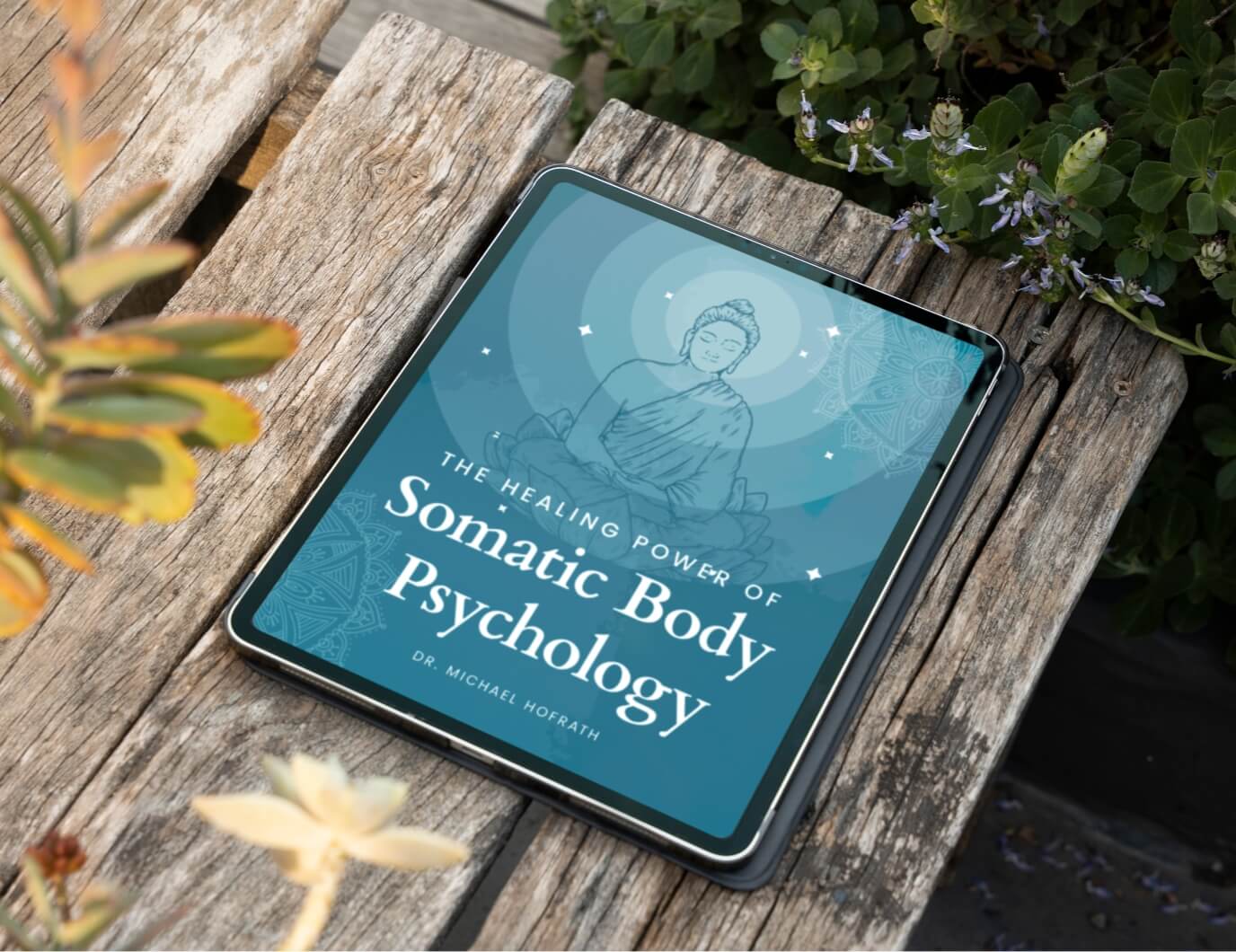
Grab Your FREE 3 Chapters!
Discover the Secrets to Wholeness with Dr. Hofrath’s Empowering eBook.
Unveil the transformative power of Somatic Body Psychology and gain tools to navigate, integrate, and transcend trauma. This free guide illuminates the path to healing your soul, restoring balance, and aligning body, mind, and spirit.
Unlock Your Free 3 Chapters! Enter Your Email Now for ‘The Healing Power of Somatic Body Psychology.